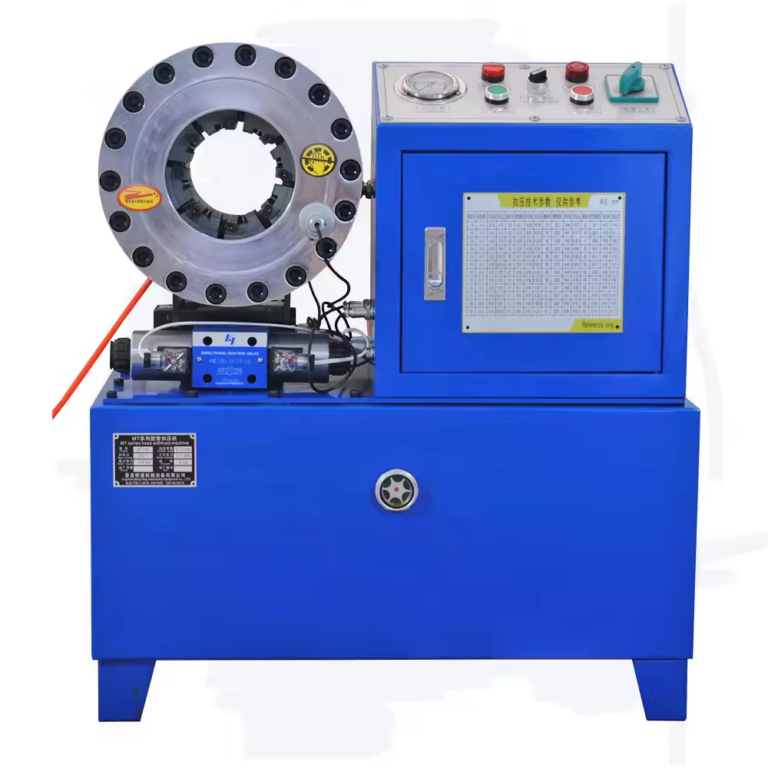
Production of Hydraulic Components
Hydraulic components play a critical role in modern industrial systems, enabling efficient power transmission and precise control in machinery. From construction equipment to manufacturing lines, the production of hydraulic components requires advanced technology, strict quality control, and high-performance materials to ensure durability and reliability.
1. Overview of Hydraulic Components
Hydraulic components are essential parts of hydraulic systems that use fluid power to perform work. The main components include:
- Hydraulic hoses
- Hydraulic fittings and joints
- Hydraulic cylinders
- Hydraulic pumps and valves
Each component must be designed and manufactured to withstand high pressure, temperature variations, and harsh working environments.
2. Raw Materials Selection
The quality of hydraulic components begins with raw materials. Common materials include:
- Synthetic rubber (NBR, EPDM, SBR) for hoses
- High-tensile steel wire for reinforcement layers
- Carbon steel and stainless steel for fittings and connectors
Material selection directly impacts pressure resistance, flexibility, corrosion resistance, and service life.
3. Manufacturing Process
3.1 Rubber Mixing
Rubber compounds are prepared by mixing base rubber with additives such as carbon black, antioxidants, and curing agents. This process determines the hose’s flexibility and durability.
3.2 Extrusion
The inner tube and outer cover of hydraulic hoses are formed through extrusion. This step ensures smooth fluid flow and protects against environmental damage.
3.3 Reinforcement Layer
High-strength steel wire is braided or spiraled around the inner tube to enhance pressure resistance. This is a key step in producing high-pressure hydraulic hoses.
3.4 Vulcanization
Vulcanization involves heating the hose under pressure to improve elasticity, strength, and heat resistance. This process stabilizes the structure of the hose.
3.5 Machining of Metal Components
Hydraulic fittings and joints are produced through precision machining processes such as:
- CNC turning
- Thread cutting
- Drilling and milling
This ensures accurate dimensions and leak-proof connections.
3.6 Surface Treatment
To enhance corrosion resistance, metal components undergo treatments like:
- Zinc plating
- Nickel plating
- Phosphating
4. Quality Control
Strict quality control is essential in the production of hydraulic components. Key tests include:
- Pressure testing (burst and working pressure)
- Leakage testing
- Impulse testing (fatigue life)
- Dimensional inspection
International standards such as SAE, DIN, and ISO are commonly followed to ensure product reliability.
5. Applications of Hydraulic Components
Hydraulic components are widely used in:
- Construction machinery (excavators, loaders)
- Agricultural equipment
- Mining industry
- Automotive systems
- Industrial manufacturing
Their ability to transmit high power efficiently makes them indispensable in heavy-duty operations.
6. Future Trends
With the advancement of technology, the hydraulic component industry is moving toward:
- Higher pressure and performance standards
- Environmentally friendly materials
- Smart hydraulic systems with sensors
- Automation in production processes
These trends are improving efficiency, reducing maintenance costs, and extending product lifespan.
Conclusion
The production of hydraulic components is a complex process that combines material science, precision engineering, and strict quality management. High-quality hydraulic components not only improve system performance but also ensure safety and long-term reliability. As industries continue to evolve, manufacturers must focus on innovation and quality to stay competitive in the global market.