How to Cut a Hydraulic Hose
Meta Description: Learn how to cut a hydraulic hose safely and accurately. Our step-by-step guide covers the right tools, safety precautions, and pro tips for a perfect cut every time. Avoid common mistakes!
(Image suggestion: A high-quality photo showing a person wearing safety glasses, holding a hydraulic hose and a specialized cutter.)
Hydraulic hoses are the lifelines of heavy machinery, powering everything from construction equipment to agricultural tractors. When a hose fails, you need a replacement fast. While you can buy pre-made hoses, knowing how to cut a hydraulic hose yourself offers unmatched flexibility and saves valuable downtime.
However, a poor cut can lead to leaks, pressure drops, and catastrophic system failure. This guide will walk you through the safe and correct way to cut a hydraulic hose like a professional.
Why a Clean, Square Cut is Non-Negotiable
Before we dive into the “how,” let’s understand the “why.” A hydraulic hose assembly relies on a perfectly sealed connection between the hose and its fitting.
-
Prevents Leaks: A crooked or ragged cut will not seat properly in the ferrule and fitting, creating a path for high-pressure fluid to leak.
-
Ensures Proper Assembly: Hose fittings are designed for a square end. An angled cut can cause the fitting to sit crooked, leading to premature wear and potential blow-offs.
-
Maintains System Integrity: Debris from a messy cut can contaminate the entire hydraulic system, damaging pumps, valves, and cylinders.
Essential Tools for the Job
Using the right tools is the first and most critical step to success.
-
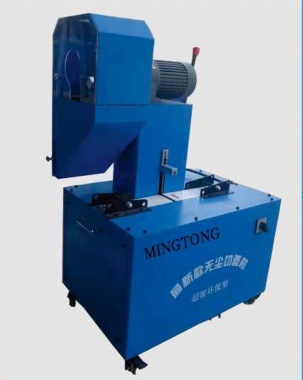
Hydraulic Hose Cutter (Highly Recommended): This is the best tool for the job. They provide a clean, square, and burr-free cut with minimal effort.
-
Types: Rotary cutters (for hoses up to 1.5″ ID) and scissor-style cutters (for smaller hoses).
-
-
Portable Abrasive Chop Saw: A common and effective alternative in many workshops. It’s fast but requires care to avoid burning the hose cover and leaving debris.
-
Angle Grinder with a Cut-off Wheel: Can be used but is the least desirable option. It creates significant heat, melted rubber, and metal burrs that must be meticulously cleaned.
Tools to AVOID: Never use a hacksaw. It is nearly impossible to get a square cut, and it leaves a ragged edge and internal wire burrs that are disastrous for your hydraulic system.
Safety First! Personal Protective Equipment (PPE)
Hydraulic hoses have a tough steel wire braid or spiral. When cut, this wire can be extremely sharp and spring out.
-
Safety Glasses or Goggles: Mandatory. Protect your eyes from flying wire strands and metal particles.
-
Heavy-Duty Work Gloves: Protect your hands from sharp edges and the hose’s steel reinforcement.
-
Long Sleeves: Prevent scratches from the wire braid.
Step-by-Step Guide to Cutting a Hydraulic Hose
Follow these steps for a perfect, professional-grade cut.
Step 1: Measure and Mark Clearly
Determine the exact length you need for your assembly. Use a tape measure and a sharpie or paint marker to draw a clear, straight line all the way around the hose. This 360-degree line is your guide for a perfectly square cut.
Step 2: Secure the Hose Firmly
Place the hose in a vise equipped with soft jaws (or use wood blocks) to prevent crushing or damaging the hose cover. Ensure the marked line is easily accessible and the hose cannot move during cutting.
Step 3: Make the Cut (Using a Hydraulic Hose Cutter)
-
Position the hose in the cutter’s jaws, aligning the blade directly on your marked line.
-
Apply steady, even pressure to close the cutter. For rotary models, turn the handle until the blade cuts completely through.
-
The result will be a clean, square, and ready-to-use end.
Step 3 (Alternative): Make the Cut (Using a Chop Saw)
-
Put on a respirator or dust mask in addition to your other PPE.
-
Hold the hose firmly against the saw’s fence, aligning your mark with the blade.
-
Use a smooth, steady pressure to push the hose through the blade. Do not force it.
-
Let the blade do the work to minimize heat buildup and burning.
Step 4: Clean and Deburr the Hose
This is a critical step, especially if you used a power saw.
-
Use a file or deburring tool to remove any sharp edges or metal burrs from the inner wire braid.
-
Blow out the hose with compressed air to remove all internal debris—rubber dust, metal filings, etc. Failure to do this will contaminate your hydraulic system.
(Image suggestion: A close-up shot comparing a clean, square cut from a hose cutter vs. a ragged, burned cut from an angle grinder.)
Common Mistakes to Avoid
-
Skipping Deburring: This is the #1 cause of new hose assembly failures.
-
Using the Wrong Tool: A hacksaw might seem convenient, but it will cost you more in the long run.
-
Rushing the Process: Taking your time to measure and mark correctly saves you from wasting hose and fittings.
-
Ignoring Safety Gear: A single wire strand in the eye is a life-altering injury.
Frequently Asked Questions (FAQ)
Q: Can I use a regular pipe cutter on a hydraulic hose?
A: No. Standard pipe cutters are designed for copper or PVC and will not effectively cut through the steel reinforcement of a hydraulic hose. They will also crush and deform the hose.
Q: How much hose should I add for the fittings?
A: When measuring for a final assembly, you must account for the “take-up” length of the fittings themselves. Each type of fitting (JIC, ORFS, etc.) will have a specific amount it inserts into the hose. Consult your fitting specification chart.
Q: My cut isn’t perfectly square. Can I still use it?
A: It is not recommended. A significantly angled cut (more than 2-3 degrees) will compromise the seal and integrity of the assembly. It’s better to re-cut the hose if possible.
Conclusion
Knowing how to cut a hydraulic hose correctly is an essential skill for any mechanic, farmer, or equipment operator. By investing in the right tool—a hydraulic hose cutter—and following these safety and procedural steps, you can create durable, leak-free hose assemblies that keep your machinery running strong and safe.
Ready to assemble your hose? Check out our guide on [How to Crimp Hydraulic Hose Fittings] to complete the job.