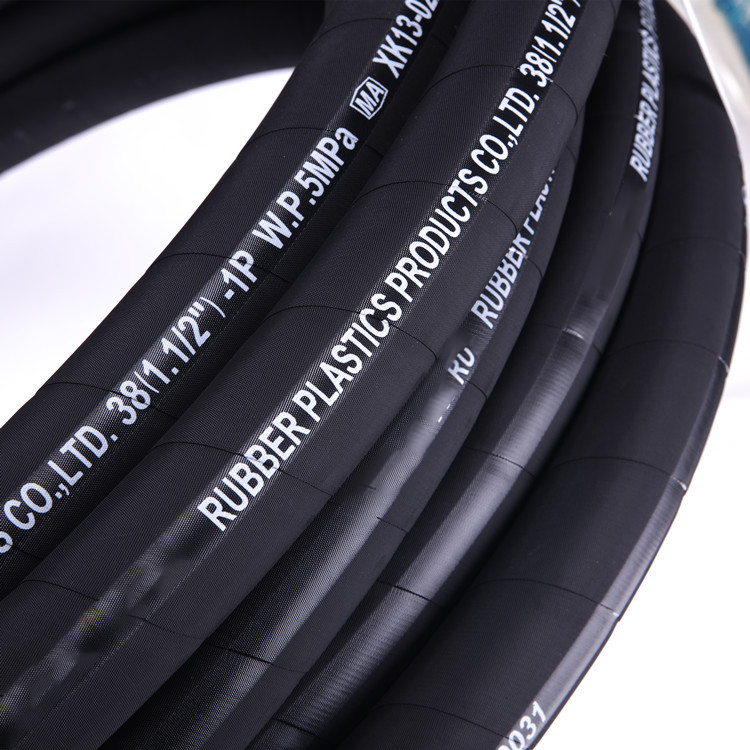
Guide to Hydraulic Hose Crimping Tables
Ensuring Precision and Safety
Introduction: The Heart of a Reliable Hydraulic System
In the world of hydraulic systems, a single hose failure can lead to costly downtime, environmental hazards, and serious safety risks. The critical link between a durable hose assembly and a catastrophic failure often comes down to one crucial component: the hydraulic hose crimping table. More than just a chart, this table is the blueprint for creating safe, leak-proof, and high-pressure connections that power machinery across industries—from agriculture and construction to manufacturing and mining.
What is a Hydraulic Hose Crimping Table?
A hydraulic hose crimping table, often called a crimp specification chart or crimp data sheet, is a comprehensive reference guide provided by hose and fitting manufacturers. It contains the precise technical specifications needed to correctly crimp a hose to a fitting.
This table translates theoretical engineering into actionable settings on a crimping machine, ensuring every connection meets the required performance and safety standards.
Key Information Typically Found in a Crimping Table:
-
Hose Part Number: Identifies the specific hose type (e.g., SAE 100R2AT, EN 856 4SP).
-
Hose I.D. (Inner Diameter): The internal size of the hose (e.g., 1/2″, 3/4″).
-
Fitting Part Number: The specific compatible fitting style (e.g., JIC 37° flare, ORFS).
-
Crimp Diameter (or “Crimp Size”): This is the most critical data point. It’s the target outer diameter of the crimped fitting sleeve after compression, measured in millimeters or inches.
-
Tolerance Range: The acceptable upper and lower limit for the crimp diameter (e.g., ±0.10mm). Staying within tolerance is non-negotiable.
-
Die Number/Code: Specifies the exact set of dies or jaws to be used in the crimping machine for that hose-and-fitting combination.
Why is Following the Crimping Table Imperative?
Ignoring the crimp table is akin to building a bridge without engineering plans. The consequences are severe:
-
Safety: An under-crimped hose can blow off the fitting under pressure, releasing high-velocity hydraulic fluid (which can cause injection injuries) and creating whipping hazards. An over-crimped hose can weaken the hose reinforcement, leading to premature failure.
-
Performance: A correct crimp ensures the assembly can withstand system pulsation, pressure spikes, and vacuum conditions without leaking.
-
Warranty & Liability: Using incorrect crimp specifications instantly voids manufacturer warranties. In case of an accident, failure to follow the prescribed table can result in significant legal liability.
-
Efficiency: Proper assemblies last longer, reduce fluid loss, and minimize unplanned maintenance stops.
How to Read and Use a Crimping Table: A Step-by-Step Process
-
Identify the Components: Always start with the exact part numbers for both the hydraulic hose and the fittings. Even similar-looking parts can have different crimp specifications.
-
Locate the Correct Entry: Find the row in the table that matches your hose I.D. and fitting combination. Double-check part numbers.
-
Set the Crimper: Input the specified Crimp Diameter and Die Number into your crimping machine. Modern digital crimpers allow you to select the part number directly, which automatically loads the parameters.
-
Measure and Verify: After crimping, use a calibrated caliper to measure the crimp diameter at multiple points. Ensure it falls within the published tolerance range. Document this verification for quality control records.
-
Perform a Pull Test (If Required): For critical applications, a pull test verifies the fitting’s mechanical grip on the hose.
Pro Tips and Safety Warnings
-
Never Mix Brands: Unless explicitly approved by the manufacturers, do not use a hose from one brand with a fitting from another and a third brand’s crimp table. Specifications are not universally interchangeable.
-
Beware of “Will-Fit” Fittings: Generic fittings may not crimp correctly, even if they seem to match. Always use genuine, matched components from reputable suppliers.
-
Machine Calibration is Key: A perfect crimp table is useless if your crimping machine is not regularly maintained and calibrated. Follow the machine manufacturer’s service schedule.
-
Training is Essential: Only trained, authorized personnel should operate hose crimping equipment.
-
When in Doubt, Stop: If the data is unclear, the parts are worn, or the crimp doesn’t look right, consult your supplier or manufacturer before proceeding.
Conclusion: Your Blueprint for Success
The hydraulic hose crimping table is not a suggestion—it is the fundamental instruction manual for assembly integrity. By respecting this data, investing in proper equipment, and committing to trained operation, you transform individual components into a reliable, powerful circuit.
Prioritize precision. Follow the table. Build with confidence.
**Ready to ensure your hydraulic assemblies are crimped correctly? Contact our technical support team today for genuine hose and fitting kits, manufacturer-approved crimping tables, and expert guidance.