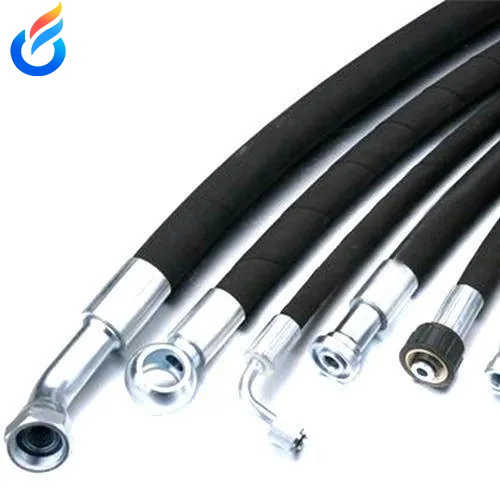
Classification of Hydraulic Hoses
Hydraulic hoses are the critical arteries of any fluid power system, transmitting pressurized fluid to generate, control, and transmit power. Selecting the right hose is paramount for system efficiency, safety, and longevity. With numerous types available, understanding hydraulic hose classification is essential for engineers, maintenance technicians, and purchasing managers. This guide breaks down the primary classification methods used globally.
1. Classification by SAE Standard (Society of Automotive Engineers)
The SAE standard is widely used in North America and classifies hoses based on size, pressure rating, and construction.
-
SAE 100R1: Wire braid hose. A single layer of steel wire braid over a synthetic rubber tube. Used for medium-pressure hydraulic lines.
-
SAE 100R2: Wire braid hose. Similar to R1 but typically refers to a specific, older style. Largely superseded.
-
SAE 100R5: Spiral wire hose. Features multiple spiral-wound layers of high-tensile wire. Designed for very high-pressure applications and superior impulse fatigue resistance.
-
SAE 100R7: Thermoplastic hose. A lightweight, non-rubber hose made of thermoplastic and a textile braid. Known for flexibility and compatibility with certain fluids.
-
SAE 100R12, 100R13, 100R15: These are multi-spiral wire hoses (typically 4 or 6 spiral layers) for extreme high-pressure and high-impulse applications, such as in mining and construction heavy machinery.
2. Classification by DIN/EN Standard (European Standard)
The DIN (Deutsches Institut für Normung) and EN (Europäische Norm) standards are prevalent in Europe and many other regions.
-
DIN EN 853: Specifies wire braid reinforced hoses.
-
Type SN: Corresponds to SAE 100R1 (Single Wire Braid).
-
Type DN: Corresponds to a double wire braid hose (similar to some SAE R2 types).
-
-
DIN EN 856: Specifies spiral wire reinforced hoses.
-
Type 4SP: 4 Spiral Wire Layers (standard high pressure).
-
Type 4SH: 4 Spiral Wire Layers (higher pressure rating than 4SP).
-
Type R12/R13: Similar to SAE R12/R13 standards.
-
-
DIN EN 857: Specifies compact, textile braid reinforced hoses (1SC, 2SC), often used for lower pressure return or suction lines.
3. Classification by ISO Standard (International Organization for Standardization)
ISO standards aim to harmonize global specifications. Key standards include:
-
ISO 18752: Replaces many older standards and classifies hoses for hydraulic applications with specified working pressures. It defines hose types (e.g., 1ST, 2ST, 3ST, 4SP, 4SH) based on construction and test pressures.
-
ISO 3862: Similar to DIN EN 856 for spiral wire hoses.
4. Classification by Construction & Reinforcement
This is the most practical classification, defining the hose’s physical build.
-
Wire Braid Hoses (1 or 2 Layers):
-
Single Wire Braid (1-Braid): Flexible and good for medium-pressure applications. Common on industrial equipment.
-
Double Wire Braid (2-Braid): Offers higher pressure rating and better pulse resistance than single braid. A versatile, general-purpose high-pressure hose.
-
-
Spiral Wire Hoses (4 or 6 Layers):
-
Multi-Spiral Wire: Designed for the most demanding applications involving ultra-high pressure, extreme impulse cycles, and heavy vibration (e.g., excavators, hydraulic presses).
-
-
Textile Braid/Reinforced Hoses:
-
Made with synthetic fiber braids (like polyester or aramid). Used for low-pressure return, drain, and suction lines. Very flexible and cost-effective.
-
5. Classification by Application & Pressure Rating
-
Low-Pressure (Suction/Return Lines): Textile braid hoses (e.g., SAE 100R3, DIN EN 857 1SC).
-
Medium/High-Pressure (Main Hydraulic Lines): Single and double wire braid hoses (e.g., SAE 100R1/R2, EN 853 SN/DN).
-
Very High/Extreme-Pressure & High-Impulse: Multi-spiral wire hoses (e.g., SAE 100R5/R12/R15, DIN EN 856 4SP/4SH).
6. Key Selection Factors Beyond Classification
Choosing a hose involves more than just type. Always consider:
-
Inner Tube Material: Must be compatible with the hydraulic fluid (e.g., petroleum-based, HFA, HFC, phosphate ester). Common materials are synthetic rubber (NBR, FKM) and thermoplastic.
-
Cover Material: Protects reinforcement from abrasion, weather, and chemicals (e.g., oil-resistant rubber, polyurethane).
-
Temperature Range: Ensure the hose operates within its rated temperature limits for both fluid and environment.
-
Size (Inner Diameter): Must allow adequate flow to minimize pressure drop.
-
End Fittings: Must match the port thread standard (e.g., JIC, BSP, NPT) and be properly crimped or assembled.
Conclusion: A Systematic Approach to Selection
Proper hydraulic hose classification is the foundation of safe and reliable system design. Start by identifying your system’s maximum working pressure and fluid type. Then, consider the application environment (impulses, flexing, abrasion). Use the relevant industry standard (SAE, DIN, ISO) as your guide to narrow down the construction type. Finally, specify the correct size, fitting, and material compatibility.
Always consult the manufacturer’s technical data sheets for the most accurate and detailed specifications for their products. When in doubt, partner with a qualified hydraulic specialist to ensure your system’s integrity and safety.
Keywords for SEO: Hydraulic Hose Classification, SAE Hose Standards, DIN EN Hydraulic Hoses, ISO 18752, Wire Braid vs Spiral Hose, High-Pressure Hydraulic Hose, Hydraulic Hose Selection Guide, Hydraulic System Components, Fluid Power Maintenance.