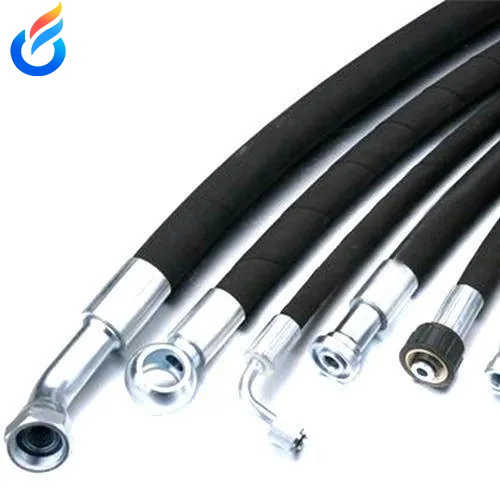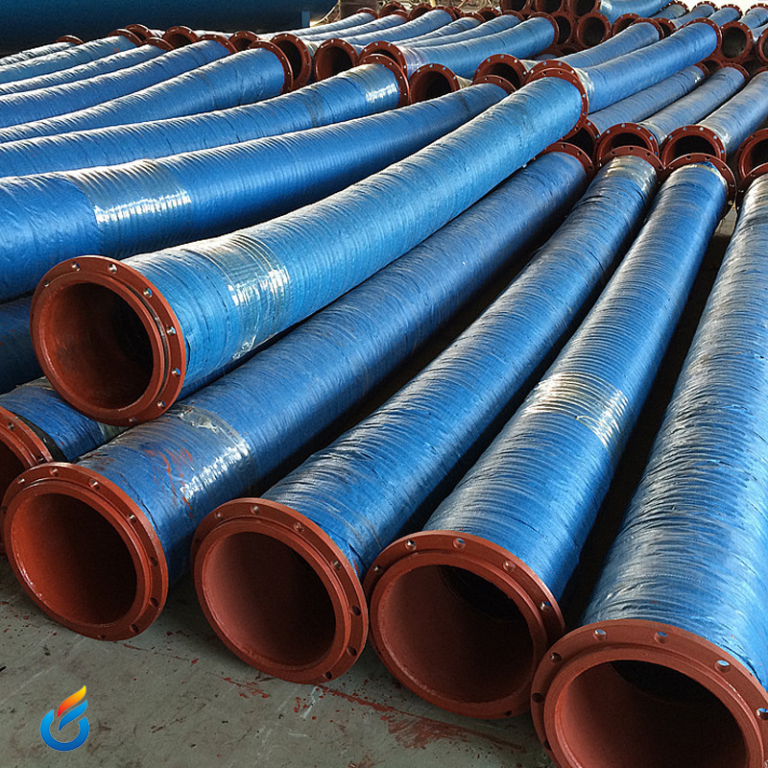
Classification of Hydraulic Hoses
In the powerful world of hydraulic systems, the hose is the vital artery that transmits fluid power. Choosing the wrong hose isn’t just an inconvenience—it’s a safety hazard and a direct path to system failure, downtime, and costly repairs.
To navigate this critical selection, you need to understand the classification of hydraulic hoses. They are primarily categorized by their construction, which dictates their pressure rating, flexibility, and application. Let’s break down the main types.
1. Based on Construction and Reinforcement
This is the most fundamental way to classify hydraulic hoses. The reinforcement layer(s) determine the hose’s strength and pressure-handling capability.
a) Braided Hoses (Single or Double Braid)
-
Construction: These hoses have one or two layers of synthetic fiber or steel wire braided over a flexible inner tube. The braiding pattern looks like a woven crisscross.
-
Pressure Rating:
-
Single Braid (1-Wire/1SN): Suitable for medium-pressure applications. Often used for return lines, suction lines, and lower-pressure power lines.
-
Double Braid (2-Wire/2SN): Features two layers of braided wire, making it suitable for high-pressure applications. It’s a robust, all-purpose hose found in many industrial and mobile equipment applications.
-
-
Characteristics: Generally more flexible than spiral hoses of a similar size, making them easier to route in tight spaces.
-
Common SAE Standard: SAE 100R2 (Textile Braid), SAE 100R5 (Single Wire Braid), SAE 100R12 (Double Wire Braid).
b) Spiral Hoses
-
Construction: These hoses feature multiple layers of steel wire wound in a tight spiral pattern over the inner tube.
-
Pressure Rating: Designed for very high-pressure and high-impulse applications. The spiral winding provides exceptional strength and resistance to pressure surges and vibration fatigue.
-
Characteristics: Less flexible than braided hoses but extremely durable under stress. They are the workhorses for heavy-duty machinery like excavators, crushers, and presses.
-
Common SAE Standard: SAE 100R13 (Four-Spiral Wire), SAE 100R15 (Six-Spiral Wire for extreme applications).
c) Textile Braided Hoses
-
Construction: Reinforced with a layer of braided textile fiber like polyester or aramid.
-
Pressure Rating: For low-pressure applications only.
-
Characteristics: Lightweight, highly flexible, and cost-effective. They are not suitable for high-power hydraulic power lines but are excellent for return, drain, or suction lines.
-
Common SAE Standard: SAE 100R2.
2. Based on SAE Standards
The Society of Automotive Engineers (SAE) establishes standards that define the size, performance, and construction of hydraulic hoses. Using SAE standards ensures compatibility and safety.
-
SAE 100R1: A lightweight, textile-braided hose for low-pressure applications.
-
SAE 100R2: A standard for thermoplastic hoses, often used in low-pressure applications where flexibility is key.
-
SAE 100R5: A general-purpose, single-wire braided hose for medium-pressure applications.
-
SAE 100R12: A versatile, double-wire braided hose for a wide range of high-pressure applications.
-
SAE 100R13 / 100R15: High-performance spiral hoses for the most demanding, high-pressure, high-impulse environments.
3. Based on Material and Application
The inner tube and cover material are chosen based on the hydraulic fluid and operating environment.
-
Inner Tube Material:
-
Nitrile (Buna-N): The most common. Excellent resistance to petroleum-based oils and fuels.
-
Neoprene: Good resistance to oil, ozone, and weather.
-
EPDM (Ethylene Propylene Diene Monomer): Excellent for hot water, steam, and phosphate ester-based fluids (Skydrol).
-
PTFE (Teflon): Handles a wide range of aggressive chemicals and high temperatures. Often used in spiral constructions.
-
-
Cover Material:
-
Neoprene: The industry standard. Offers good protection against abrasion, ozone, and weather.
-
Nitrile: Good oil resistance.
-
Polyurethane (TPU): Excellent abrasion resistance.
-
Chlorinated Polyethylene (CPE): High-temperature and ozone resistance.
-
How to Choose the Right Hydraulic Hose
Selecting the correct hose is a systematic process. Always consider these five key factors:
-
Operating Pressure: The hose’s maximum working pressure must exceed the system’s peak pressure, including any surges.
-
Temperature Range: Ensure the hose is rated for both the fluid temperature and the ambient temperature (high and low).
-
Fluid Compatibility: The inner tube must be compatible with the hydraulic fluid to prevent degradation.
-
Size (I.D.): The inside diameter (I.D.) must be correct to maintain proper flow velocity and avoid pressure drops.
-
Application Environment: Consider abrasion, UV exposure, weather, and flexibility requirements to choose the right cover and construction.
Conclusion
Understanding the classification of hydraulic hoses—by construction, SAE standard, and material—is not just technical knowledge; it’s a critical component of operational safety and efficiency. Using a high-quality spiral hose where a textile braid would suffice is wasteful, but the reverse is dangerous.
Always consult the manufacturer’s specifications and a qualified professional when selecting a hydraulic hose for your specific application.
Meta Description (for SEO): Unsure which hydraulic hose to choose? Our guide breaks down the classification of hydraulic hoses by construction (braided vs. spiral), SAE standards, and material to ensure you select the right, safe hose for your system’s pressure and environment.