Applications of Hose Crimping Machines
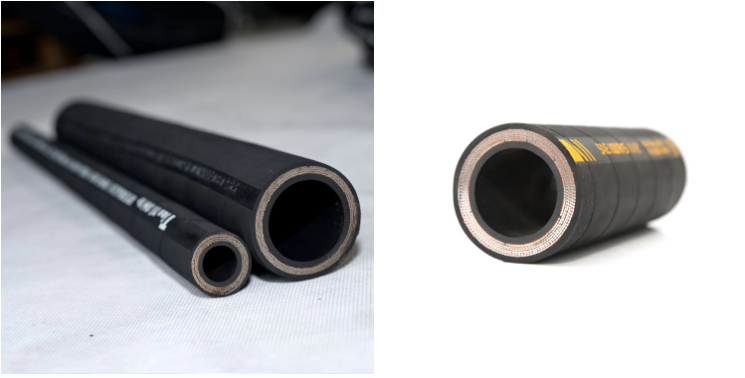
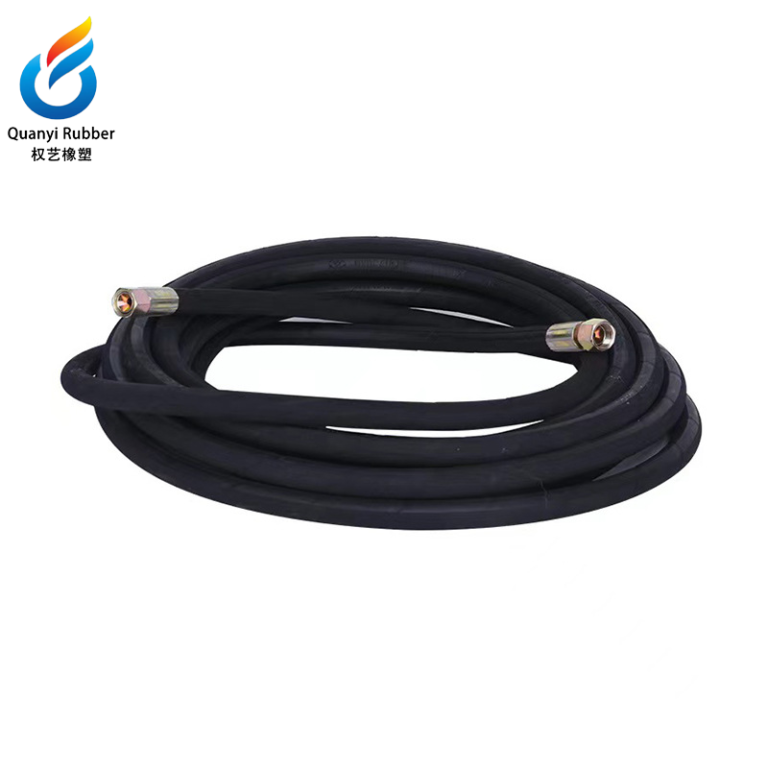
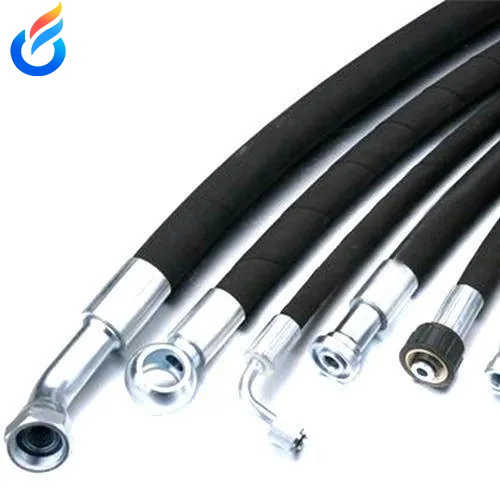
Hose crimping machines are essential tools in a wide range of industries, providing reliable, efficient, and safe methods for creating permanent connections between hoses and fittings. These machines use high pressure to deform a fitting (or sleeve) around a hose, creating a leak-proof, robust assembly capable of withstanding extreme pressures, temperatures, and environmental conditions. From heavy machinery to delicate laboratory equipment, the applications are vast and critical. Here’s a look at the key industries and uses for hose crimping technology.
1. Hydraulic Systems & Fluid Power
This is the most common application. Hydraulic systems power everything from construction excavators to factory automation lines.
-
Construction & Earthmoving Equipment: Crimped hydraulic hoses are used in excavators, bulldozers, cranes, and loaders for boom movement, steering, and tool operation.
-
Agricultural Machinery: Tractors, combines, and harvesters rely on crimped hoses for their hydraulic functions, including lifting implements and controlling attachments.
-
Manufacturing & Industrial Presses: Hydraulic presses used for metal forming, molding, and assembly require high-pressure, reliable hose assemblies.
-
Aerospace & Aviation: Landing gear systems, flight control surfaces, and ground support equipment use precision-crimped hoses that meet stringent safety standards.
2. Automotive & Transportation
Beyond hydraulics, hose crimping is vital for various automotive systems.
-
Fuel, Oil, and Coolant Lines: Crimped hoses ensure leak-free transport of essential fluids in cars, trucks, and buses.
-
Power Steering & Brake Lines: High-integrity hose assemblies are critical for vehicle safety and control.
-
Air Brake Systems: In heavy trucks and buses, crimped hoses are fundamental to the reliable operation of air brake circuits.
-
Turbocharger & Intercooler Connections: Performance and commercial vehicles use crimped hoses to handle boosted air intake under high pressure and temperature.
3. Industrial Manufacturing & Processing
Factories and processing plants use hose assemblies for countless tasks involving the transfer of liquids, gases, and semi-solids.
-
Chemical & Petrochemical Plants: Crimping creates seals for hoses handling corrosive chemicals, fuels, and solvents, with material compatibility being paramount.
-
Food & Beverage Production: Sanitary hose assemblies with crimped fittings are used for transferring ingredients, beverages, and dairy products, requiring easy-clean surfaces and certifications.
-
Plastics & Rubber Manufacturing: Hoses for hydraulic controls on injection molding machines and for conveying raw materials are often crimped.
4. Marine & Offshore
The harsh marine environment demands exceptionally durable connections.
-
Shipboard Hydraulics: Used for steering gear, winches, cranes, and hatch covers.
-
Offshore Oil Rigs: Critical for high-pressure hydraulic systems on drilling equipment and safety apparatus. Hoses must resist saltwater corrosion and extreme pressure.
5. Mining & Forestry
These rugged industries subject equipment to tremendous punishment.
-
Mining Equipment: Hydraulic hoses on longwall shearers, roof supports, and haul trucks are crimped for maximum durability and safety in explosive atmospheres.
-
Forestry Machinery: Harvesters, skidders, and wood chippers use robust crimped hose assemblies for all hydraulic functions.
6. Specialized & Emerging Applications
-
Renewable Energy: Hydraulic systems in wind turbine pitch and yaw controls use crimped hoses.
-
Medical Gas & Equipment: Precision crimping is used for oxygen and other medical gas lines in hospitals, ensuring purity and safety.
-
Laboratory & Analytical Equipment: Small-diameter, precision-crimped tubing is used in instrumentation for fluid handling.
Benefits Driving Widespread Adoption
The reason hose crimping machines are so prevalent across these sectors boils down to several key advantages:
-
Reliability & Safety: Creates a permanent, uniform connection that is far less prone to leakage or failure under vibration and pressure spikes compared to clamped connections.
-
Efficiency: Modern machines, especially CNC crimpers, allow for fast, repeatable production of hoses with minimal setup time and scrap.
-
Versatility: A single machine can often handle a wide range of hose diameters and fitting types by changing dies and programs.
-
Cost-Effectiveness: While the initial investment exists, it reduces long-term costs through fewer failures, less downtime, and reduced fluid loss.
Choosing the Right Machine
The application dictates the machine type. A mobile service truck might use a portable, hand-operated or battery-powered crimper for on-site repairs. A large manufacturing or hose assembly shop will benefit from a heavy-duty, stationary CNC crimping machine for high-volume, precise production.
Conclusion
From powering the world’s largest machines to ensuring the safe delivery of medical gases, hose crimping machines are indispensable in modern industry. Their ability to create strong, reliable, and leak-proof connections makes them a cornerstone of fluid power technology and beyond. Whether in a repair garage, a massive factory, or on a remote mining site, the applications of hose crimping machines continue to expand, driven by the ongoing need for safety, efficiency, and performance in fluid transfer systems.
Are you looking to improve your hose assembly process? Understanding your primary application—be it mobile repair, high-volume manufacturing, or specialized fluid handling—is the first step in selecting the perfect hose crimping solution for your needs.