
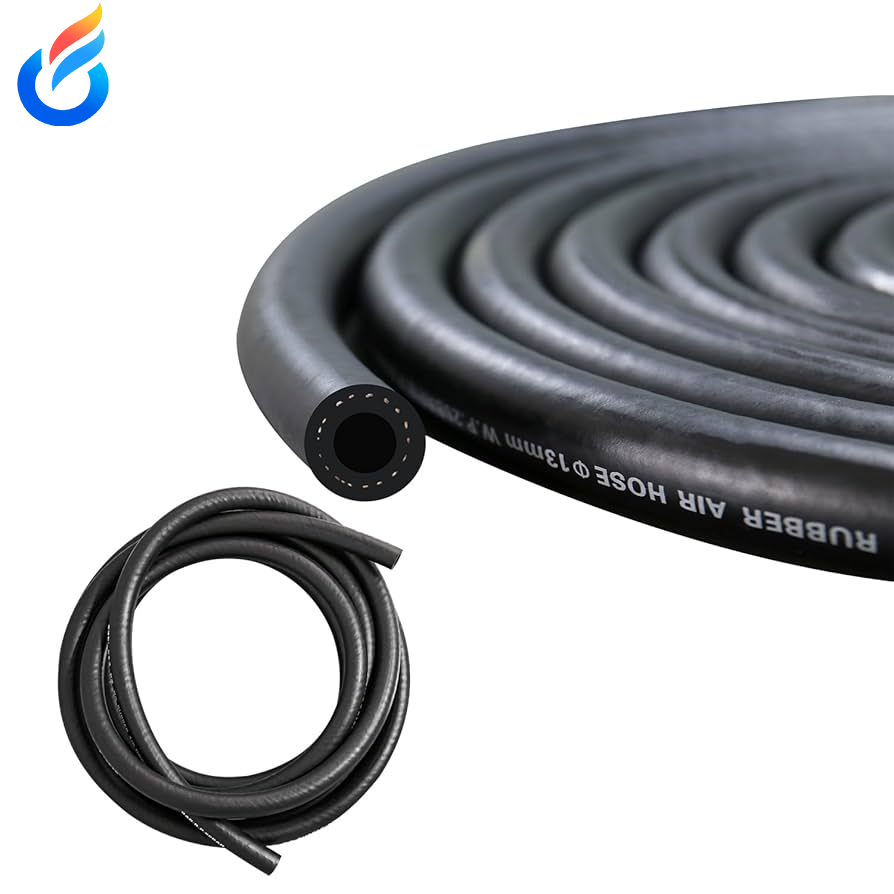
Classification of Fuel Hoses
Introduction
Fuel hoses are the unsung heroes of any vehicle or machinery powered by an internal combustion engine. Their primary job is simple yet critical: to transport fuel from the tank to the engine safely and efficiently. However, not all fuel hoses are created equal. Using the wrong type can lead to premature degradation, leaks, and even dangerous fire hazards.
Understanding the classification of fuel hoses is essential for mechanics, engineers, and DIY enthusiasts alike. This guide will break down the different ways fuel hoses are categorized, helping you make an informed decision for your next repair or project.
1. Classification by Material Composition
The material is the most fundamental way to classify a fuel hose, as it directly determines its compatibility, durability, and resistance to modern fuel blends.
-
Nitrile Rubber (NBR):
-
Characteristics: This is the most common and economical material for standard fuel lines. It offers good resistance to conventional gasoline and diesel.
-
Limitations: It has poor resistance to modern oxygenated fuels (like ethanol blends E10, E15) and biodiesel. Prolonged exposure can cause the hose to swell, soften, and crack from the inside out.
-
Best For: Older vehicles, lawn equipment, and applications using pure gasoline or diesel.
-
-
Fluorocarbon Rubber (FKM/Viton®):
-
Characteristics: A premium synthetic rubber known for exceptional resistance to high temperatures, aggressive chemicals, and virtually all types of modern fuels, including high-ethanol blends (up to E85) and biodiesel.
-
Limitations: Significantly more expensive than Nitrile rubber.
-
Best For: High-performance engines, modern fuel-injected systems, and any application involving alternative fuels.
-
-
Polytetrafluoroethylene (PTFE/Teflon®):
-
Characteristics: Features a smooth, non-stick inner liner that offers superior permeability resistance, meaning virtually zero fuel vapor escapes through the hose wall. It is impervious to all known fuels and additives and withstands extreme temperatures.
-
Limitations: Can be stiff and requires special fittings for installation.
-
Best For: High-performance racing applications, fuel injection systems with high pressure, and environments where low emissions are critical.
-
2. Classification by Construction and Reinforcement
The internal pressure of the fuel system dictates the required strength of the hose.
-
Low-Pressure Hoses:
-
Construction: Typically made with a single layer of rubber or synthetic material without reinforcement. Sometimes feature a textile braid for minimal kink resistance.
-
Application: Primarily used in carbureted systems, fuel tank vent lines, and for routing fuel from the tank to the mechanical fuel pump.
-
-
High-Pressure Hoses:
-
Construction: Reinforced with one or multiple layers of high-tensile textile or stainless steel braid. This prevents the hose from expanding or bursting under pressure.
-
Application: Essential for all Electronic Fuel Injection (EFI) systems, where fuel is pressurized to very high levels (often 30-100+ PSI) before being injected into the engine.
-
3. Classification by Application and Function
Fuel hoses are designed for specific roles within the fuel system.
-
Fuel Feed Line:
-
This is the main hose that carries fuel from the tank to the engine. It must be compatible with the fuel type and rated for the system’s pressure (low or high).
-
-
Fuel Return Line:
-
In many fuel-injected systems, excess fuel is returned to the tank to regulate pressure and temperature. Return lines are generally low-pressure hoses but must have the same chemical resistance as the feed line.
-
-
Vapor/Vent Hose:
-
These hoses manage fuel vapors from the tank and are part of the vehicle’s Evaporative Emissions Control System (EVAP). They are low-pressure and designed to be highly resistant to permeation.
-
-
Carburetor Hose vs. EFI Hose:
-
This is a practical, application-based distinction. A “Carburetor Hose” is a low-pressure hose, often made of Nitrile rubber. An “EFI Hose” is a high-pressure, reinforced hose, typically made of FKM or reinforced NBR.
-
Key Factors to Consider When Choosing a Fuel Hose
Before you buy, always check these specifications:
-
Fuel Type: Is it gasoline, diesel, E85, or biodiesel? Match the hose material to the fuel.
-
Pressure Rating: Is it for a low-pressure carburetor or a high-pressure EFI system? Never use a low-pressure hose in a high-pressure application.
-
Temperature Rating: Ensure the hose can withstand under-hood heat.
-
Inner Diameter (ID): Must match the existing fittings to ensure proper fuel flow and a secure connection.
-
SAE Standards: Look for markings like SAE J30R7 (Standard for EFI hose) or SAE J30R9 (A higher-grade EFI hose). These standards guarantee the hose has been tested for specific performance criteria.
Conclusion
Selecting the correct fuel hose is not a place to cut corners. By understanding their classification based on material, construction, and application, you can ensure a safe, reliable, and long-lasting fuel system. Always refer to your vehicle’s service manual and inspect hoses regularly for signs of cracking, softening, or swelling. When in doubt, consult with a professional to protect your engine and your safety.
Keywords: Fuel Hose Classification, Nitrile vs Viton Fuel Hose, PTFE Fuel Line, SAE J30R7, EFI Hose, Carburetor Hose, High-Pressure Fuel Hose, Ethanol Resistant Fuel Hose.
Meta Description: Confused by fuel hose types? Our comprehensive guide classifies fuel hoses by material, construction, and application. Learn to choose the right hose for gasoline, diesel, E85, and high-performance systems.