heavy duty hydraulic hose clamps
Article Title: Heavy Duty Hydraulic Hose Clamps: The Right Way to Secure High-Pressure Lines
(H1) The Critical Guide to Heavy-Duty Hydraulic Hose Restraint
When you search for “heavy duty hydraulic hose clamps,” you might be thinking of the common worm-drive clamps found on automotive coolant lines. Stop right there. Using the wrong clamping method on a hydraulic system is not just ineffective—it’s extremely dangerous.
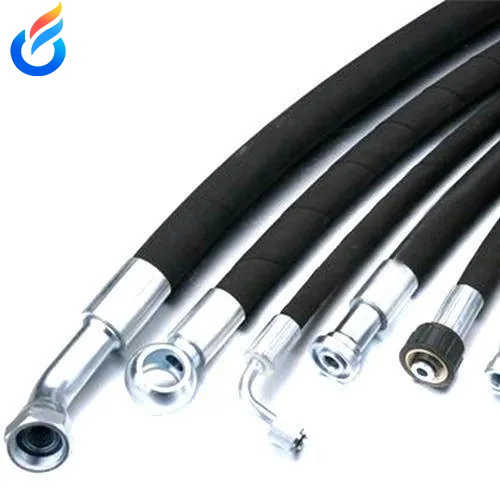
Hydraulic systems operate under immense pressure, from 3,000 to 10,000 PSI, with spikes that can go even higher. A hose failure can lead to:
-
Injection Injuries: High-pressure fluid can penetrate the skin, causing severe tissue damage and requiring immediate medical attention.
-
Whipping Hoses: A ruptured hose can flail wildly, causing impact injuries and damaging equipment.
-
Costly Downtime: Unplanned repairs halt productivity and are expensive.
This guide will walk you through the only safe and effective methods for securing heavy-duty hydraulic hoses.
(H2) The Truth About Standard Worm-Gear Clamps
Standard worm-drive clamps (made of thin, perforated stainless steel) are completely unsuitable for high-pressure hydraulic applications. Here’s why:
-
Insufficient Strength: The band and screw mechanism cannot withstand the constant stress and pulsation of hydraulic systems. They can stretch and fail catastrophically.
-
Point Loading: The clamp applies pressure only directly under the screw thread, creating a weak point rather than a uniform seal.
-
Vibration Loosening: The constant vibration in machinery can cause the screw to back out, leading to a loose clamp and a guaranteed leak.
Using a standard hose clamp on a hydraulic line is a major safety hazard.
(H2) The Correct “Heavy-Duty” Solutions for Hydraulic Hoses
There are three primary, industry-accepted methods for creating a secure, high-pressure hydraulic connection. Only one of them involves a “clamp” in the traditional sense.
(H3) 1. Permanent Crimped Fittings (The Gold Standard)
This is the most common and reliable method used in over 95% of industrial and mobile hydraulic applications.
-
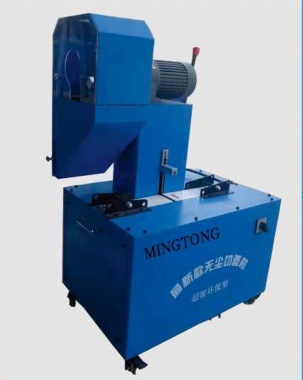
How It Works: A specialized hydraulic crimper uses calibrated, immense force to permanently deform a metal sleeve (the ferrule) around a hose and a fitting stem. This creates a single, integrated unit that is as strong as the hose itself.
-
Best For: OEM manufacturing, repair shops, and any situation where the highest level of reliability is required.
-
Pros:
-
Superior strength and leak resistance.
-
Excellent resistance to vibration and pressure spikes.
-
Clean, professional, and OEM-standard.
-
-
Cons:
-
Requires an expensive crimping machine.
-
The assembly is permanent and cannot be disassembled.
-
(H3) 2. Reusable (or Socketless) Fittings
This is a popular solution for field repairs, prototypes, and maintenance shops that don’t have a crimping machine.
-
How It Works: The hose is skived (its outer cover is peeled back) and inserted into a multi-piece fitting. A separate threaded ferrule is then tightened down, mechanically compressing the hose between the fitting’s nipple and the ferrule.
-
Best For: On-site repairs, low-volume applications, and situations where flexibility is needed.
-
Pros:
-
No crimping machine required—only standard wrenches.
-
The fitting can be reused on a new piece of hose.
-
Highly versatile.
-
-
Cons:
-
Generally not rated for as high pressures as permanent crimps.
-
More susceptible to improper assembly by the user.
-
Can be bulkier than crimped fittings.
-
(H3) 3. Swage Ferrule Clamps (The True “Heavy-Duty Clamp”)
This is the only method that legitimately uses a “clamp” and is used by OEMs in specific assembly processes.
-
How It Works: A two-piece, high-strength ferrule is placed around a hose and fitting. It is then compressed using a powerful radial swaging machine, which applies uniform pressure around the entire circumference, creating a permanent, 360-degree seal.
-
Best For: High-volume OEM production of hose assemblies.
-
Pros:
-
Extremely strong and reliable, similar to a crimp.
-
Provides a uniform seal without point loading.
-
-
Cons:
-
Requires a specialized (and expensive) swaging machine.
-
Not a field-serviceable solution for most users.
-
(H2) Choosing the Right Method: A Quick Comparison
| Feature | Permanent Crimp | Reusable Fittings | Swage Ferrule |
|---|---|---|---|
| Strength/Reliability | Excellent | Good | Excellent |
| Cost of Tooling | High | Low | High |
| Ease of Assembly | Requires Machine | Simple (with wrenches) | Requires Machine |
| Best For | Shops, OEMs | Field Repair, Prototypes | OEM Mass Production |
(H2) Frequently Asked Questions (FAQ)
(H3) Q: Can I use a T-Bolt clamp instead of a worm-gear clamp for hydraulics?
A: While T-Bolt clamps are significantly stronger than worm-gear clamps and are excellent for high-pressure air or industrial applications, they are still not recommended for hydraulic hose assemblies. The proper connection methods (crimp, reusable, swage) are engineered specifically for the unique stresses of hydraulic systems.
(H3) Q: I have a reusable fitting. How tight should I make it?
A: This is critical. Always follow the manufacturer’s specifications. This usually involves measuring the gap between the ferrule and the fitting body with a feeler gauge or using a torque wrench. Overtightening can damage the hose, while undertightening will cause a leak.
(H3) Q: My hydraulic hose is leaking at the fitting. Can I just put a clamp over the leak?
A: Absolutely not. This is a temporary and dangerous fix. A leak at the fitting indicates a failed assembly. The only safe course of action is to replace the entire hose assembly immediately.
(H2) Conclusion: Safety and Reliability are Paramount
When it comes to heavy-duty hydraulic systems, there is no room for shortcuts. The terms “hose clamp” and “hydraulics” should only be used together in the context of the professional, high-integrity solutions we’ve outlined: Permanent Crimps, Reusable Fittings, and Swage Ferrules.
Invest in the correct method for your application. It protects your personnel, your equipment, and your bottom line from the severe consequences of a hydraulic failure.
Need a reliable hydraulic hose solution? Contact our experts today for a consultation and ensure your system is built for safety and performance.