Composite Hose: A Revolutionary Solution for Modern Industrial Fluid Transport
1、 What is a composite hose?
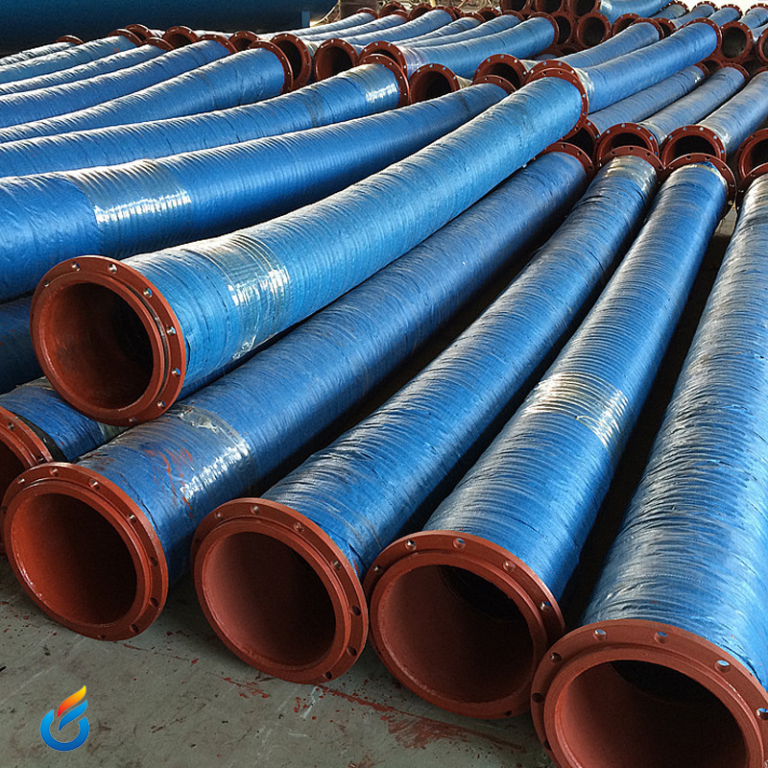
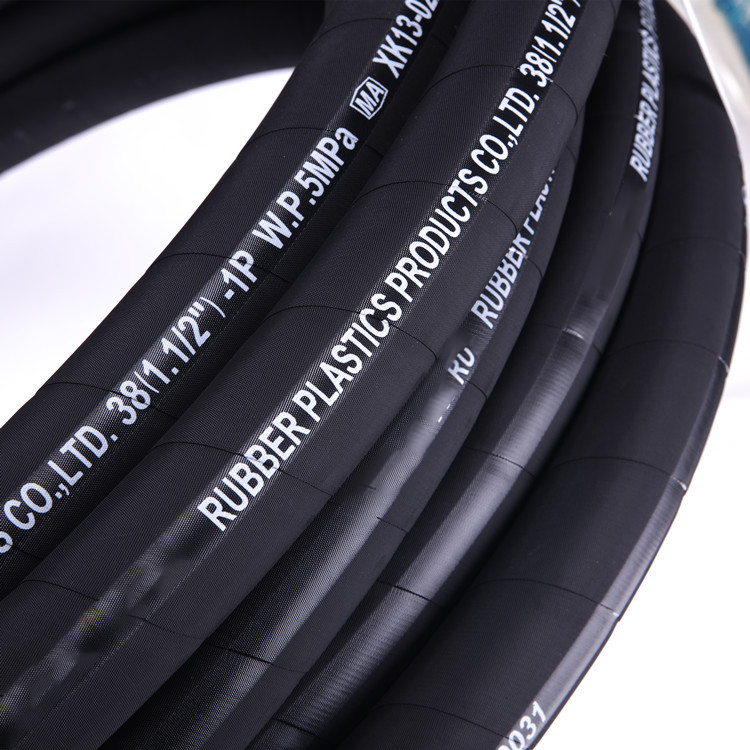
Composite hose is not made of a single material, but a flexible pipeline composed of multiple layers of functional polymer films and high-strength fiber woven layers through special processes. Each layer has been carefully designed, each performing its own duties, together forming a lightweight, flexible, yet sturdy and durable whole.
Its typical structure includes:
Inner lining layer: It directly contacts the conveying medium and uses materials such as PTFE (polytetrafluoroethylene), Nylon (nylon), PE (polyethylene), etc. to ensure excellent chemical corrosion resistance and medium purity.
Reinforcement layer: woven from high-strength polyester fibers or aramid fibers, providing extremely high burst pressure and compressive strength.
Conductive layer: (optional) with built-in metal wires or conductive layers, effectively dissipating static electricity and ensuring safety when transporting flammable media.
Outer coating: usually made of wear-resistant and UV resistant synthetic rubber or polyurethane, it protects the internal structure of the hose from external physical damage and climate aging.
This multi-layered composite structure with specialized skills is the root of its outstanding performance.
2、 Seven core advantages of composite hoses
Compared with traditional hoses, composite hoses demonstrate revolutionary advantages in multiple dimensions:
1. Excellent chemical corrosion resistance
This is one of the most prominent advantages of composite hoses. By selecting different lining materials (such as PTFE), it can safely transport the vast majority of corrosive media, from strong acids, strong alkalis, various organic solvents to high-purity chemicals, effectively avoiding leakage and pollution caused by inner wall corrosion.
2. Extremely lightweight and flexible
The weight of composite hoses is only 25% -30% of that of metal hoses of the same specification. This makes it extremely convenient for operation, handling, coiling, and storage, significantly reducing labor intensity and improving work efficiency. Excellent flexibility allows it to easily lay pipes even in narrow spaces.
3. Excellent ability to withstand pressure and negative pressure
The multi-layer high-strength fiber woven reinforcement layer endows the composite hose with extremely high mechanical strength. It can not only withstand high working pressure, but also effectively resist the negative pressure (vacuum) generated during the suction process, prevent the hose from being sucked out, and ensure stable and continuous fluid delivery.
4. Comprehensive safety performance
Static electricity export: The built-in static electricity system can safely introduce the static charges generated during transportation into the ground, completely eliminating the risk of fire or explosion caused by static electricity accumulation, especially suitable for petroleum products and flammable chemicals.
No leakage risk: Its multi-layer seamless structure and high-quality joint sealing technology ensure the overall sealing from the pipe body to the joint, preventing leakage.
5. Long term service life and weather resistance
The high-quality composite hose outer coating has good wear resistance, ozone resistance, UV resistance, and weather resistance, which can adapt to various outdoor harsh environments from extreme cold to heat, slow down the aging rate, and have a service life far exceeding that of ordinary rubber pipes.
6. Extremely low maintenance costs
Composite hoses are not easily corroded, and are not prone to inner wall adhesion and scaling, making cleaning very easy. Its excellent durability also significantly reduces the frequency of replacement due to damage, thereby saving businesses a lot of maintenance and replacement costs.
7. Ensure the purity and cleanliness of the medium
The smooth and chemically inert inner wall is not prone to bacterial growth and does not easily react with the medium, making it very suitable for industries such as food, beverage, and pharmaceuticals that require high hygiene standards, as well as for the transportation of high-purity chemicals in the electronics industry.
3、 Main application areas
With the above advantages, composite hoses have become the preferred choice in the following industries:
Chemical industry: loading and unloading chemicals such as acids, alkalis, solvents, etc.
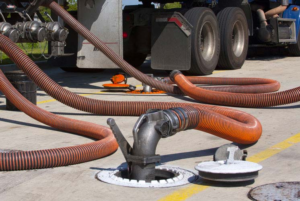
Petrochemical industry: transporting crude oil, diesel, gasoline, and other petrochemical products.
Dock and Ship: Used for loading and unloading liquid cargo between ships and shore.
Food and pharmaceuticals: transporting edible oil, alcohol, syrup, food additives, etc.
Environmental engineering: treatment of waste liquids, chemical agents, etc.
4、 How to choose the appropriate composite hose?
When making a choice, please be sure to consider the following points:
Transport medium: Clarify the chemical properties of the medium to select the correct lining material.
Working temperature and pressure: Confirm the temperature and pressure range of the operating conditions to ensure that the hose specifications meet the requirements.
Static conductivity requirement: When transporting flammable media, it is necessary to choose hoses with static conductivity function.
Certification and Standards: Check whether the product has passed relevant international certifications (such as API, EN, FDA, etc.) to ensure its safety and reliability.