Production of Excavator Hoses
Production of excavator hoses is an important process in the hydraulic industry. High-quality excavator hoses are essential for construction machinery because they ensure stable hydraulic power transmission. Since excavators often work under high pressure and in harsh environments, hose manufacturing must meet strict quality standards. Therefore, professional production technology and reliable raw materials are the keys to durable hydraulic hoses.
What Are Excavator Hoses?
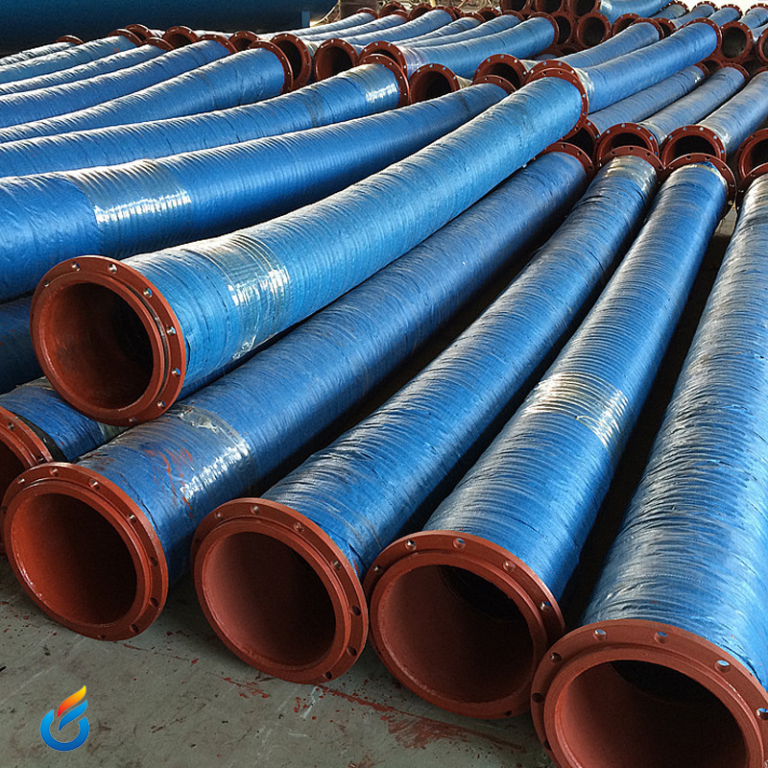
Excavator hoses are hydraulic hoses specially designed for excavators and heavy equipment. They are used to transfer hydraulic oil between pumps, valves, cylinders, and motors. As a result, they help control machine movements such as digging, lifting, rotating, and loading.
These hoses need to resist:
- High pressure
- Oil corrosion
- Abrasion
- Weather aging
- Bending and vibration
Because of these demanding conditions, the production process must be carefully controlled.
Main Materials Used in Production of Excavator Hoses
The quality of raw materials directly affects hose performance. Usually, the following materials are used:
Synthetic Rubber
Inner tubes are commonly made of oil-resistant rubber such as NBR. Meanwhile, outer covers often use CR, EPDM, or abrasion-resistant rubber.
Steel Wire Reinforcement
High tensile steel wire is braided or spiraled to provide strength. This reinforcement layer helps the hose withstand working pressure.
Textile Materials
Some low-pressure hoses use fiber reinforcement for flexibility and lightweight design.
Therefore, selecting premium materials can greatly improve hose life.
Production Process of Excavator Hoses
The production of excavator hoses includes several important steps.
1. Rubber Mixing
First, raw rubber is mixed with carbon black, chemicals, and additives. This improves oil resistance, elasticity, and durability.
2. Inner Tube Extrusion
Next, the rubber compound is extruded into a smooth inner tube. This layer carries hydraulic fluid.
3. Reinforcement Braiding or Spiraling
Then, steel wire is braided or spiraled around the tube. This step determines pressure resistance.
Common hose standards include:
- SAE 100R1AT
- SAE 100R2AT
- SAE 100R12
- SAE 100R13
- EN853 1SN / 2SN
- EN856 4SP / 4SH
4. Outer Cover Extrusion
After that, a protective rubber cover is added. It protects the hose from wear, ozone, sunlight, and harsh working conditions.
5. Vulcanization
The hose is cured under heat and pressure. As a result, the rubber layers bond together and achieve final strength.
6. Testing and Inspection
Finally, every hose should be tested for:
- Burst pressure
- Working pressure
- Impulse performance
- Leakage resistance
- Dimensional accuracy
Only qualified hoses are delivered to customers.
Why Quality Production Matters
Reliable production of excavator hoses brings many benefits.
Longer Service Life
Good materials and precise manufacturing reduce cracking and premature failure.
Better Safety
Hydraulic hose failure may cause oil leakage or machine downtime. Therefore, tested hoses are safer.
Stable Performance
Consistent production ensures smooth hydraulic oil flow and efficient machine operation.
Lower Maintenance Cost
Durable hoses need fewer replacements, saving money over time.
Applications of Excavator Hoses
Excavator hoses are widely used in:
- Boom systems
- Arm cylinders
- Bucket cylinders
- Swing motors
- Travel motors
- Hydraulic breakers
- Quick couplers
Because hoses are flexible and strong, they are ideal for moving hydraulic systems.
How to Choose a Reliable Manufacturer
When selecting a supplier, consider these factors:
- Advanced production equipment
- Strict quality control
- OEM and custom service
- Fast delivery time
- Competitive factory price
- Export experience
A professional manufacturer can provide stable quality and long-term cooperation.
Why Choose Our Excavator Hose Production
We specialize in hydraulic hose manufacturing with modern production lines. Our advantages include:
- High-quality rubber compounds
- Strong steel wire reinforcement
- Full size range available
- OEM branding support
- Strict pressure testing
- Export to many countries
In addition, we offer flexible solutions for wholesalers and distributors.
Conclusion
Production of excavator hoses requires advanced technology, quality materials, and strict testing. Since excavators operate in demanding environments, only reliable hoses can ensure efficiency and safety. Therefore, choosing a professional excavator hose manufacturer is very important for your business.
If you are looking for durable excavator hoses at competitive prices, contact us today for more