how to cut hydraulic hose
Cutting hydraulic hose may seem straightforward, but doing it incorrectly can lead to leaks, system failure, and even safety hazards. A clean, square cut is absolutely critical for creating a reliable, leak-free hose assembly. This guide walks you through the professional methods, essential tools, and common pitfalls to avoid.
Why the Right Cut Matters
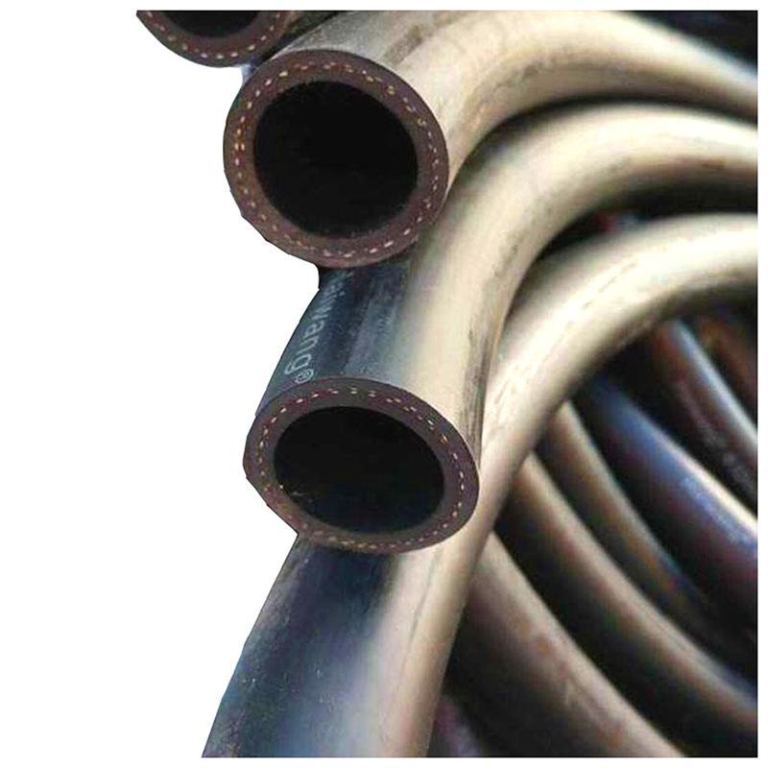
A hydraulic hose is a multi-layered lifeline for your equipment. Its core is a flexible inner tube, reinforced with one or more layers of braided or spiral wire, and protected by an outer cover. A jagged or angled cut can:
-
Damage the reinforcement, weakening the hose.
-
Prevent the fitting from sealing properly, causing high-pressure leaks.
-
Allow contamination (tiny metal bits or rubber shreds) into your hydraulic system, damaging pumps and valves.
Essential Tools for Cutting Hydraulic Hose
Using the right tool is 90% of the battle. Never use a sawzall, grinder, or standard pipe cutter, as they crush, fray, or heat-damage the hose.
| Tool | Best For | Pros | Cons |
|---|---|---|---|
| Hydraulic Hose Cutter (Manual Ratchet Cutter) | Most shops & DIY; up to 2″ hose. | Clean, square cut; portable; no power needed. | Requires physical effort for larger hose. |
| Bench-Mounted Hydraulic Cutter | High-volume shops; all sizes. | Effortless, perfect cuts every time. | Expensive; not portable. |
| Abrasive Wheel Chop Saw | Large, spiral-wire hose (SAE100R15). | Cuts tough wire reinforcement quickly. | Can melt rubber; requires deburring. |
| Fine-Tooth Bandsaw | Versatile for large inventory. | Can cut many materials. | Often leaves a jagged edge; needs cleanup. |
Professional Choice: For most, a manual ratchet cutter is the best investment.
Step-by-Step: How to Cut Hydraulic Hose with a Ratchet Cutter
Tools Needed: Tape Measure, Marker, Ratchet Cutter, Safety Glasses.
-
Measure and Mark Precisely.
-
Determine the exact finished assembly length you need. Remember: the fitting length is part of this total.
-
Use a sharpie or paint pen to draw a clear, straight line all around the hose. Use a hose clamp or a piece of angle iron as a guide for a perfect square line.
-
-
Position the Hose in the Cutter.
-
Open the cutter’s jaws and place the hose inside, aligning your marked line with the cutting blade.
-
Ensure the hose is seated squarely against the cutter’s back fence. This guarantees a 90-degree cut.
-
-
Make the Cut.
-
Put on your safety glasses.
-
Begin ratcheting the handle. The sharp, hardened blade will cleanly shear through the hose layers.
-
Apply steady pressure until the hose is completely severed.
-
-
Inspect and Deburr (If Necessary).
-
Examine the cut end. It should be clean and square with minimal distortion.
-
If there is any slight raised edge on the inner tube, carefully remove it with a sharp knife or deburring tool. Avoid cutting into the reinforcement wires.
-
Pro Tips & Safety Warnings
-
The Double-Cut Method: For thicker, wire-reinforced hose, make an initial shallow cut around the outer cover first. Then realign and cut fully. This prevents the cover from distorting.
-
Cleanliness is Critical: Blow out the freshly cut hose with compressed air (from the fitting end toward the cut end) to remove any rubber or metal particles.
-
Never Compromise on Safety:
-
Always wear safety glasses. High-tension wires can snap.
-
Secure the hose firmly. Don’t let it spin or slip.
-
Ensure the cutter blades are sharp. Dull blades crush rather than cut.
-
Common Mistakes to Avoid
-
Using the Wrong Tool: This is the #1 cause of failed assemblies.
-
Rushing the Measurement: “Measure twice, cut once” is the golden rule.
-
Ignoring Cleanliness: Introducing contamination is a costly mistake.
-
Accepting an Angled Cut: An angled cut will never seal correctly in a fitting.
When to Call a Professional
If you lack the proper tools, are working with very large-diameter hose (over 1.5″), or need a complex assembly, visit a local hydraulic shop. They have the industrial equipment and expertise to make perfect assemblies quickly, often for a reasonable cost.
Need a custom hydraulic hose assembly? Contact our team of experts or use our online configurator to get the perfect hose, correctly cut and fitted, delivered to your job site.