
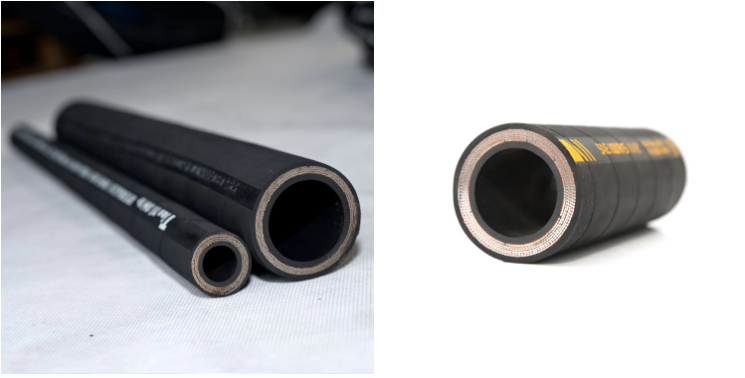
How to Disconnect Hydraulic Hoses
Hydraulic hoses are widely used in construction equipment, agricultural machinery, industrial systems, and vehicles. Knowing how to disconnect hydraulic hoses properly is essential for routine maintenance, hose replacement, and system repairs. Doing it the wrong way can lead to oil leaks, personal injury, or damage to hydraulic components.
Why Proper Hydraulic Hose Disconnection Matters
Hydraulic systems operate under high pressure. Even after shutdown, residual pressure can remain inside the hose and fittings. Improper disconnection may cause:
-
High-pressure oil spray
-
Serious injury to hands or eyes
-
Damage to fittings, seals, or threads
-
Contamination of the hydraulic system
Tools and Safety Equipment You’ll Need
-
Safety gloves (oil-resistant)
-
Safety glasses or face shield
-
Adjustable wrench or proper-size spanners
-
Clean rags or absorbent pads
-
Caps or plugs for hose ends
-
Container for collecting hydraulic oil (if needed)
Step-by-Step: How to Disconnect Hydraulic Hoses
1. Shut Down the Hydraulic System
Turn off the machine or equipment completely. Remove the key and make sure the system cannot be restarted accidentally.
2. Release Hydraulic Pressure
-
Move control levers back and forth to release trapped pressure
-
For some systems, slowly loosen the filler cap on the hydraulic tank
-
Follow the manufacturer’s pressure relief procedure
Never attempt to disconnect a hose under pressure.
3. Clean the Hose and Fittings
Use a clean rag to wipe dirt, oil, and debris around the hose connection. This prevents contamination from entering the hydraulic system.
4. Loosen the Hydraulic Fitting
Using the correct wrench size:
-
Hold the fitting body steady
-
Slowly turn the hose nut counterclockwise
-
Be prepared for small amounts of oil to escape
Avoid using excessive force, which can damage threads.
5. Disconnect and Drain Residual Oil
Allow any remaining oil to drain into a container or absorbent pad.
6. Cap or Plug the Open Ports
This prevents:
-
Dirt and moisture ingress
-
Oil leakage
-
System contamination
Common Mistakes to Avoid
-
Disconnecting hoses without releasing pressure
-
Using the wrong wrench size
-
Letting dirt enter open fittings
-
Bending or twisting the hose excessively
-
Reusing damaged fittings or seals
-
Tips for Reconnecting or Replacing Hydraulic Hoses
-
Always use hoses that meet SAE or OEM specifications
-
Tighten fittings to the recommended torque
-
Test the system at low pressure first
Consider replacement if you notice:
-
Cracks or abrasions on the hose cover
-
Oil leaks near fittings
-
Bulging or soft spots
-
Reduced system performance
Final Thoughts
If you work with hydraulic hoses frequently, investing in quality hoses and fittings is just as important as proper installation and removal.