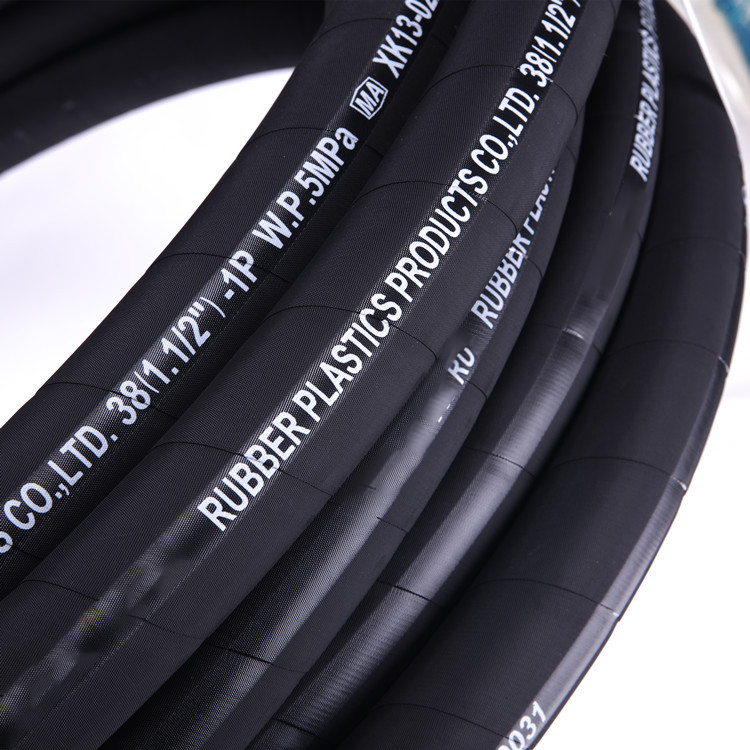
How to Disconnect Hydraulic Hoses
Hydraulic systems are powerful and essential in many industrial, agricultural, and construction applications. Disconnecting hydraulic hoses is a common maintenance task, but doing it incorrectly can lead to serious injury, costly system damage, and environmental spills. This guide provides a safe, step-by-step process.
⚠️ Critical Safety Warning
Before you begin:
-
Wear Personal Protective Equipment (PPE): Safety glasses, heavy-duty gloves, and long sleeves are mandatory. High-pressure hydraulic fluid can penetrate skin and cause severe injury or infection.
-
Depressurize the System COMPLETELY: This is the most important step. Never work on a pressurized system.
-
Work in a Clean Area: Contamination is a major cause of hydraulic system failure.
-
Have a Plan for Fluid Capture: Use a drain pan or container to catch any residual fluid. Dispose of it properly according to local regulations.
Step 1: Power Down and Depressurize
-
Turn off the machine and disconnect the power source (e.g., battery, ignition).
-
Lower all hydraulic implements (arms, buckets, etc.) to the ground or a secure rest position.
-
Relieve System Pressure:
-
For systems with an accumulator: Follow the manufacturer’s procedure to safely discharge the accumulator.
-
Manually cycle controls: Move the control lever back and forth for the circuit you’re working on (with the engine off) to release trapped pressure. Do this over your fluid capture container.
-
Consult the machine’s manual for specific pressure relief procedures.
-
Step 2: Locate and Clean
-
Identify the hose coupling you need to disconnect.
-
Thoroughly clean the area around the connection with a brush and degreaser. This prevents dirt from entering the hydraulic system when disconnected.
Step 3: Use the Right Tools
-
For JIC/SAE 37° flare fittings: Two wrenches are typically required—one to hold the fitting (the “back-up” wrench) and one to turn the swivel nut. This prevents twisting and damaging the hose.
-
For quick-disconnect couplings: These are designed to separate by hand, often with a locking sleeve that you pull back. Never force them.
Step 4: The Disconnection Process
-
Place your backup wrench on the flat of the fitting body (not the nut). Hold it firmly.
-
Place your second wrench on the swivel nut of the hose.
-
Turn the swivel nut counter-clockwise while keeping the fitting body steady. Expect a small amount of residual fluid to seep out.
-
Once loose, unscrew the nut completely by hand.
-
Cap or Plug Immediately: As soon as the hose and port are disconnected, install clean, plastic or metal caps and plugs. This is crucial to prevent contamination of both the system and the hose.
Step 5: After Disconnection
-
Drain any remaining fluid from the hose into your container.
-
Store the disconnected hose properly, keeping the caps in place.
-
Inspect the hose and fitting for signs of wear, corrosion, or damage before reinstallation.
🛠️ Professional Tips & Common Mistakes
-
Never “Crack the Fitting” on a Pressurized Line: Loosening a fitting to relieve pressure is extremely dangerous and a common cause of injury.
-
Don’t Twist or Kink the Hose: Use the two-wrench method to avoid putting strain on the hose itself.
-
Mark Hoses and Ports: Use tags or paint before disconnecting multiple hoses to ensure correct reattachment.
-
Check for “Load Holding” Circuits: Some circuits (like on excavator arms) may have valves that hold pressure even with the engine off. Know your machine’s design.
❓ Frequently Asked Questions (FAQ)
Q: Fluid sprayed out even after depressurizing. What happened?
A: Trapped pressure in a specific circuit (a “load”) is the likely cause. This highlights why moving controls during depressurization (Step 1) and wearing PPE is non-negotiable.
Q: The fitting is corroded and won’t budge. What should I do?
A: Apply a penetrating oil designed for hydraulic systems. Let it soak. Use properly sized, high-quality wrenches. Apply steady force—don’t jerk. If it’s still stuck, you may need to cut the hose and replace both the hose and the fitting.
Q: Can I reuse the old hose?
A: Only if it’s in perfect condition. Check for cracks, abrasions, a swollen cover, or corroded fittings. When in doubt, replace it.
Conclusion
Disconnecting hydraulic hoses is a straightforward task when done methodically and safely. Always prioritize depressurization, cleanliness, and using the correct technique. For complex systems or if you are unsure, always refer to the official service manual or consult a qualified hydraulic technician.